How to be a more sustainable shopper
Written and accurate as at: Aug 12, 2026 Current Stats & Facts
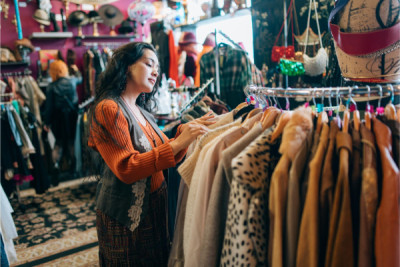
Small changes to the way we shop can have a big impact on both the environment and our wallets. If you're looking to be more sustainable in your shopping habits, here are a few principles worth keeping in mind.
Buy quality over quantity
Low-priced items often wear out sooner, so if your budget allows, consider investing in products that are built to last. Whether it's shoes, kitchen appliances or furniture, spending a little more upfront on items that won’t have to be replaced as often can save you money in the long run and keep items out of landfill.
Of course, this doesn't mean every expensive product is automatically better. Make sure to do your usual due diligence by reading reviews, checking warranties and looking for quality materials.
Look beyond the price tag
On that note, it’s worth reminding yourself that there’s more to a purchase than what’s on the price tag. Which materials were used and how and where an item was manufactured can make a bigger difference to the environment than you might realise.
A good habit, if you don't do it already, is to look at the fabric content labels the next time you go shopping for clothes. That’s because some materials aren’t as kind to the environment as others. For example, polyester is widely used but it can shed tiny microplastic fibres during washing and doesn't biodegrade like natural materials.
Shop secondhand
Before buying new, ask yourself whether the item you're after might already be sitting in someone else's cupboard, garage or desk drawer. Friends, family and online marketplaces can all be great places to find pre-loved items in need of a home. This is especially true for electronics like phones, as many people upgrade to new models while their old device is still in good working order.
Alternatively, there are reputable retailers out there who sell refurbished devices. These are often professionally tested, cleaned and backed by a warranty, meaning you’ll get many of the benefits of a new device at a much lower price.
Look for ways to make purchases last longer
Getting more use out of the things you already own is one of the simplest ways to reduce waste. Regularly servicing appliances, storing items properly and following the manufacturer's care instructions can all help extend an item's lifespan and delay the need for a replacement.
And if something does break, don't assume it's destined for the bin right away. A torn seam or cracked screen can often be fixed well enough to keep an item working for years to come. Of course, if fixing an item costs more than replacing it, buying a new one will probably make more sense.
Shop locally
Buying goods produced or sold closer to home often means fewer transport emissions than products that have had to travel across continents before arriving at your door. It also supports local businesses that employ people in your community and contribute to the local economy.
So whenever you’re looking to buy furniture, homewares, art and gifts, keep in mind that local purchases can create benefits that extend far beyond the receipt.
Ask yourself if you really need it
Whether online or in the real world, it’s hard to escape all the advertising that encourages us to buy first and think later. And online shopping has only added fuel to the fire, with limited-time offers, personalised recommendations and one-click checkouts all designed to encourage impulse purchases. But take a look around your home and chances are you'll find at least a few items you bought on a whim that now sit unused.
Before making your next purchase, try pressing pause. Ask yourself whether you'll still want the item in a week's time, whether you already own something that serves the same purpose, and whether you'll use it often enough to justify both the cost and the space it will take up.
Sometimes, being a sustainable shopper means reining in those dopamine-driven impulses and not buying that item you want. Thoughtful shopping won't solve every environmental challenge, but it can reward you with less waste to manage and more money left in your bank account.